Is Dexter Beef Healthier?
Many people searching for local grass-fed beef eventually ask the same question: Is Dexter beef actually healthier than conventional beef?
The short answer is that the breed itself isn't what makes beef healthier. Instead, factors like genetics, diet, grazing practices, and how cattle are raised have a much greater influence on the nutritional profile of the final product.
At Dos Lobos Ranch, our Dexter cattle are raised on pasture and grass-finished using regenerative grazing practices. While no single food is a miracle food, research has consistently shown that grass-fed and grass-finished beef often differs nutritionally from conventional grain-finished beef in several meaningful ways.

Quick Answer: Is Dexter Beef Healthier?
When Dexter cattle are raised as grass-fed and grass-finished cattle, research suggests their beef often contains higher levels of omega-3 fatty acids, conjugated linoleic acid (CLA), vitamin E, and certain antioxidants than conventional grain-finished beef. Overall healthfulness still depends on your total diet, but many consumers choose grass-fed beef because of these nutritional differences and the transparency of buying directly from a local farm.
It's Not Just the Breed—It's How the Cattle Are Raised
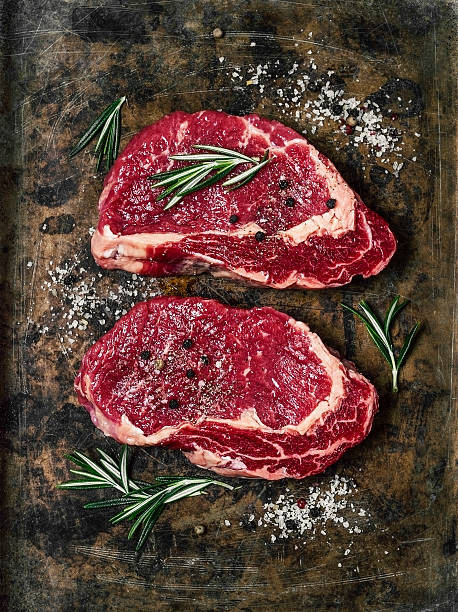
One of the biggest misconceptions about beef nutrition is that the breed alone determines how healthy the beef is. In reality, the animal's diet, grazing management, forage quality, genetics, and overall health all contribute to the nutrients found in the finished beef.
Dexter cattle can be raised in many different production systems. At Dos Lobos Ranch, we raise ours on pasture and finish them on grass rather than grain. That forage-based diet, combined with rotational grazing and careful breeding decisions, is one of the reasons many customers seek out our beef.
When comparing beef, it's often more accurate to compare grass-fed and grass-finished beef versus conventional grain-finished beef rather than simply comparing one breed to another.

What Does the Research Say?
Researchers have spent decades comparing grass-fed and grain-finished beef. While individual farms, pastures, genetics, and management practices all influence the final nutritional profile, numerous studies have found consistent differences between the two production systems.
The table below summarizes several of the most commonly reported findings from peer-reviewed research.
| Nutrient or Characteristic | Grass-Fed & Grass-Finished | Typical Grain-Finished |
|---|---|---|
| Omega-3 Fatty Acids | Higher | Lower |
| Conjugated Linoleic Acid (CLA) | Higher | Lower |
| Vitamin E | Higher | Lower |
| Antioxidants | Higher | Lower |
| Omega-6 : Omega-3 Ratio | More Favorable | Less Favorable |
| Total Fat | Often Lower | Often Higher |
Why Do These Nutritional Differences Matter?
Many of the nutritional differences between grass-fed and grain-finished beef are relatively modest, but they are remarkably consistent across decades of published research.
For consumers trying to eat a balanced diet built around whole foods, those small improvements can become meaningful over time—especially when combined with fruits, vegetables, healthy fats, and regular physical activity.
Omega-3 Fatty Acids
Omega-3 fatty acids are well known for their role in normal cardiovascular, brain, and eye function. Grass-fed beef generally contains more omega-3 fatty acids than grain-finished beef because fresh pasture naturally contains these beneficial fats.
Conjugated Linoleic Acid (CLA)
CLA is a naturally occurring fatty acid produced by grazing ruminants. Grass-fed cattle consistently produce beef with higher concentrations of CLA than cattle finished on grain-based diets.
Vitamin E & Antioxidants
Fresh forage contains higher levels of vitamin E and antioxidant compounds than stored grain diets. Those nutrients can be reflected in the finished beef and help explain why grass-fed beef often contains greater antioxidant activity.
What Makes Dos Lobos Ranch Different?
Not all grass-fed beef is exactly the same. Research has shown that forage species, soil health, grazing management, season, and genetics all influence the nutritional composition of beef.
We spoke to one food lab about having our meat tested and I asked, "Which tests are coming back as having the most nutrient density in the meat?" The told me, "The animals raised on forage only and especially the ones that have access to native species of grasses."
That's one reason we're continually working to improve our pastures through regenerative grazing, rotational grazing, compost applications, diverse forage, and soil-building practices. Healthy soil grows healthier plants, which feed healthier cattle. Eventually, native species will begin to start showing up in response to our practices, and in some areas of our ranch, they already are making their debut.
We also carefully select breeding animals based on structural soundness, forage efficiency, maternal ability, temperament, and tenderness-related genetics because we believe exceptional beef begins long before harvest day.
Our Goal Isn't Just Grass-Fed Beef
Our goal is to raise cattle that fit naturally into a regenerative farming system while producing beef we're proud to serve at our own dinner table. Nutrition matters, but so does animal welfare, environmental stewardship, transparency, and exceptional eating quality.

What the Research Doesn't Say
It's easy to find headlines claiming that one type of beef is "healthy" while another is "unhealthy." The scientific evidence is more nuanced than that.
Grass-fed and grass-finished beef generally contains higher levels of certain beneficial nutrients than conventional grain-finished beef. However, researchers also agree that these differences are only one part of an overall healthy diet.
No single food determines your health. Overall dietary patterns, physical activity, sleep, stress management, and lifestyle choices all play much larger roles than any one ingredient.
We believe customers deserve honest information, not exaggerated marketing claims. That's why we focus on raising beef we're proud of while allowing the science to speak for itself.

Our Perspective on Healthy Beef
We believe healthy food begins long before it reaches the dinner table. It starts with healthy soil, diverse pastures, well-cared-for livestock, and farmers who are committed to continuous improvement.
While no single food determines a person's health, we believe raising cattle on pasture using regenerative grazing practices is a responsible way to produce nutrient-dense beef while caring for the land that supports it.
Our goal isn't simply to raise grass-fed beef. Our goal is to raise exceptional beef from cattle that thrive on forage, improve our pastures, and provide our customers with food they can trust.
Whether you're looking for premium steaks, freezer beef, or simply want to know more about where your food comes from, we're grateful you've taken the time to learn about the way we raise our Dexter cattle.
Good to Know
The nutritional differences between grass-fed and grain-finished beef are supported by decades of published research, but they are generally differences in degree, not kind. Both can be part of a balanced diet, and no single food determines your overall health.
At Dos Lobos Ranch, we choose to raise grass-fed and grass-finished Dexter cattle because that approach aligns with our regenerative farming philosophy, our breeding program, and the type of beef we want to serve at our own dinner table. We believe healthy soil, healthy pastures, healthy cattle, and honest farming practices work together to produce exceptional beef.

Why Many Families Choose Grass-Fed Dexter Beef
While nutrition is important, it's rarely the only reason customers choose to buy directly from a local farm.
Many of our customers tell us they appreciate knowing exactly where their food comes from, how the animals were raised, and who raised them. They enjoy supporting a local family farm while purchasing beef produced with transparency and care.
Reasons Customers Choose Our Beef
- Grass-fed and grass-finished production.
- No grain finishing.
- No corn, soy, flax, or GMO feed.
- Heritage Dexter cattle.
- Regenerative grazing practices.
- Local North Texas farm.
- Direct relationship with the farmers raising the food.
- Seasonal, small-batch production.

Shop Grass-Fed Dexter Beef
Our Dexter beef is available in limited quantities throughout the year because we intentionally raise a small herd focused on quality rather than volume.
When available, customers can purchase steaks, ground beef, roasts, bulk beef boxes, bones, organ meats, and other specialty cuts directly from our online store.
Shop Dexter Beef from Dos Lobos Ranch


Research & Further Reading
This article summarizes findings from peer-reviewed research comparing grass-fed and grain-finished beef. If you'd like to explore the science further, these publications are excellent places to begin.
- Daley, C.A., Abbott, A., Doyle, P.S., Nader, G.A., & Larson, S. (2010). A Review of Fatty Acid Profiles and Antioxidant Content in Grass-Fed and Grain-Fed Beef. Nutrition Journal.
- Nogoy, K.M., et al. (2022). Fatty Acid Composition and Nutritional Differences Between Grass-Fed and Grain-Fed Beef.
- Journal of Animal Science (2025). Beef Nutrient Density Project.
- Mayo Clinic. Grass-fed Beef: Is It Healthier?

Frequently Asked Questions
Is Dexter beef healthier than regular beef?
When Dexter cattle are raised as grass-fed and grass-finished cattle, their beef generally shares the nutritional characteristics reported in published grass-fed beef research, including higher omega-3 fatty acids, CLA, vitamin E, and antioxidants than conventional grain-finished beef.
Does Dexter beef contain more omega-3s?
Grass-fed and grass-finished beef generally contains more omega-3 fatty acids than grain-finished beef, regardless of breed.
Does grass-fed beef contain more CLA?
Yes. Numerous studies have found higher concentrations of conjugated linoleic acid (CLA) in grass-fed beef than in grain-finished beef.
Is grass-fed beef leaner?
Grass-fed beef is often leaner than conventional grain-finished beef, although individual animals and cuts can vary.
Is Dexter beef better for the environment?
Environmental impact depends on management practices rather than breed alone. At Dos Lobos Ranch, we use regenerative grazing practices designed to improve pasture health, build soil, and steward our land responsibly.
Where can I buy grass-fed Dexter beef?
Dos Lobos Ranch raises grass-fed and grass-finished Dexter beef in Wise County, Texas, with local delivery available throughout much of North Texas.