One of the most common comments we hear from customers trying Kunekune pork for the first time is:
"This is some of the most tender pork I've ever eaten."
Whether it's bacon, pork chops, bratwursts, or a slow-smoked roast, many people notice a difference almost immediately.
So what makes Kunekune pork so tender?
The answer comes down to a combination of genetics, marbling, fat quality, slower growth rates, and traditional heritage breeding.
Why Customers Notice the Difference Immediately
Many people who try Kunekune pork for the first time notice the difference before they know anything about the breed.
Common comments include:
- "This pork is much juicier."
- "The flavor is richer."
- "The chops didn't dry out."
- "The bacon is incredible."
These observations often trace back to the breed's genetics, marbling, fat quality, and slower growth rate.

Genetics Play a Major Role
One of the biggest factors affecting pork tenderness is genetics.
Different breeds have been selected for different goals over time.
Many modern commercial breeds have been bred primarily for:
- Rapid growth
- Lean carcasses
- Feed efficiency
- Uniform production
Kunekunes developed differently.
As a heritage breed, they retained characteristics often associated with eating quality rather than maximum production efficiency.

Tenderness Isn't Just Luck
At Dos Lobos Ranch, we use genomic testing through Neogen Igenity Swine to help evaluate breeding animals for traits related to pork quality, including tenderness.
While tenderness is influenced by many factors—including nutrition, management, marbling, and processing—genetics play an important role. Modern genomic testing allows breeders to identify animals carrying genetic markers associated with superior eating quality.
By incorporating genetic testing into our breeding program, we're working to continually improve the tenderness and overall eating experience of our Kunekune pork.

We Select For Tenderness
At Dos Lobos Ranch, we use Neogen Igenity Swine genomic testing to evaluate breeding animals for traits related to pork quality.
The genetic panel includes markers associated with meat quality, tenderness, carcass characteristics, and growth performance. Among these are calpastatin (CAST) markers, which are linked to the natural tenderization process that occurs as pork ages after harvest. (We use the same testing and lab for our beef to ensure a consistent quality eating experience for our customers' plates!)
While genetics are only one piece of the puzzle, genomic testing helps us make informed breeding decisions that support our long-term goal of producing exceptionally flavorful and tender Kunekune pork.

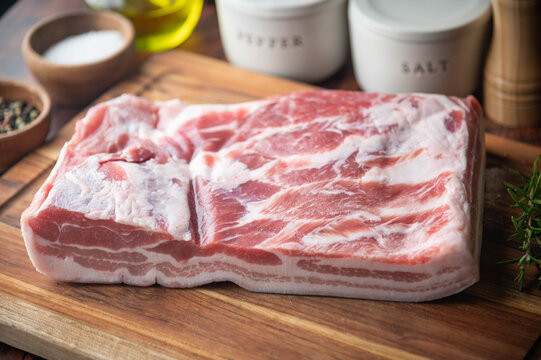
The Power of Marbling
One of the biggest contributors to tenderness is marbling.
Marbling refers to the small streaks of fat found within the muscle itself.
This intramuscular fat helps:
- Retain moisture
- Improve flavor
- Reduce dryness
- Create a more enjoyable eating experience
Kunekune pigs naturally develop more marbling than many commercial pork breeds.
That extra marbling is one of the reasons customers often describe the meat as exceptionally tender.
High-Quality Fat Matters
Many people focus only on the lean portion of meat.
However, much of what we perceive as tenderness actually comes from fat quality.
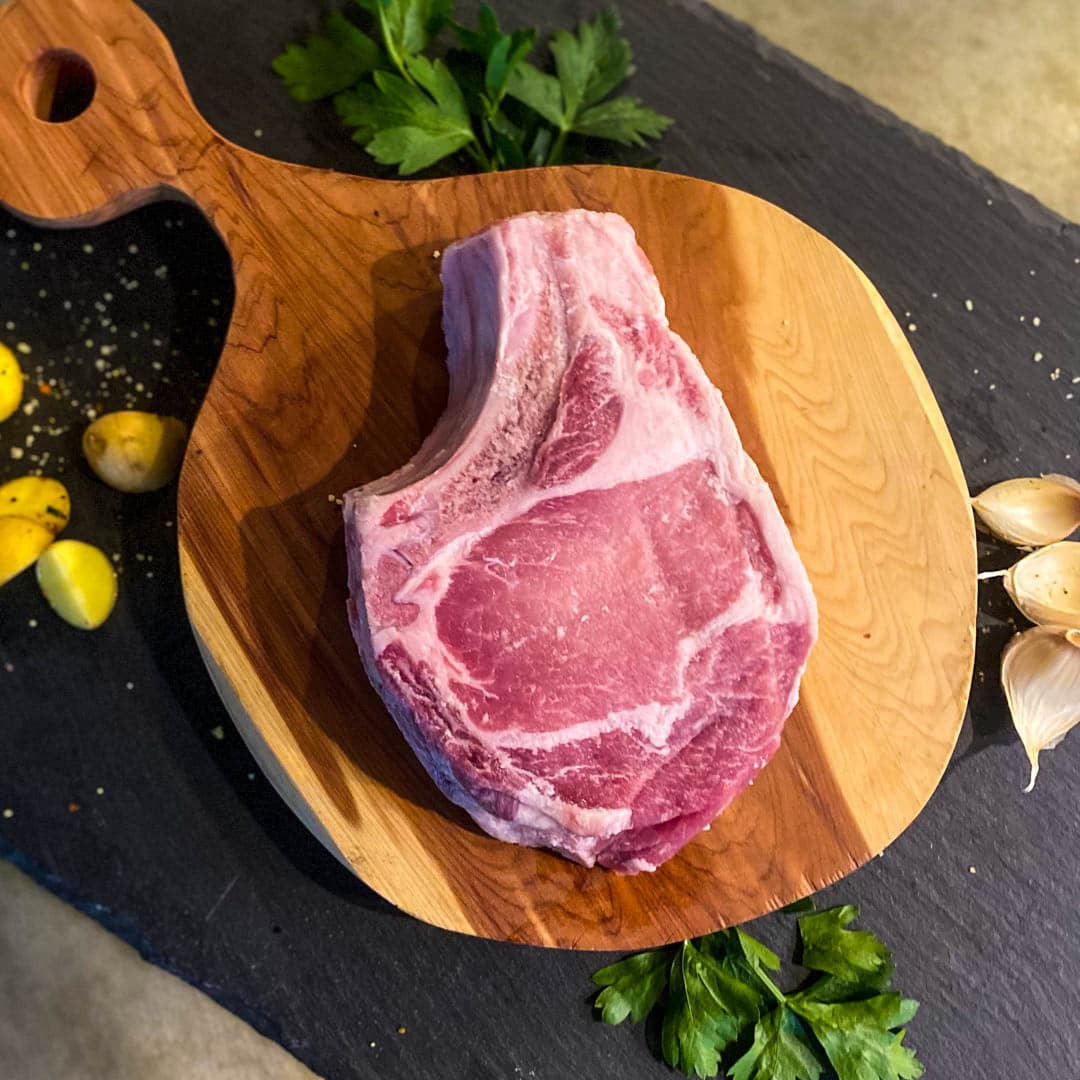
When pork contains well-distributed, high-quality fat, it tends to:
- Cook more evenly
- Stay moist longer
- Deliver richer flavor
- Feel more tender when eaten
Kunekunes are known for producing beautiful fat that contributes significantly to overall eating quality.
Slower Growth Can Influence Eating Quality
Modern commercial pigs are often raised to market weight quickly.
Kunekunes take a different path.
Most Kunekune pigs reach processing size between 9 and 14 months of age.
This slower growth allows:
- Gradual muscle development
- Natural fat deposition
- Enhanced flavor development
Many heritage livestock enthusiasts believe slower-growing animals often produce superior eating quality.

Heritage Breeds vs. Commodity Production
Commercial pork production has largely focused on efficiency.
Heritage breeds often preserve traits that consumers associate with flavor and tenderness.
Commercial Pork Priorities
- Fast growth
- Lean meat
- Feed efficiency
- Uniformity
Kunekune Priorities
- Flavor
- Marbling
- Tenderness
- Heritage genetics
Neither approach is inherently right or wrong.
They simply prioritize different outcomes.

Does Pasture-Raised Management Affect Tenderness?
Management practices can also influence pork quality.
At Dos Lobos Ranch, our pigs are raised on pasture where they can:
- Root
- Graze
- Explore
- Express natural behaviors
While genetics remain the largest factor, many consumers appreciate the combination of heritage genetics and pasture-based management.

Why We Raise Kunekunes
We chose Kunekune pigs because they consistently produce the kind of pork we enjoy eating ourselves.
Their combination of:
- Heritage genetics
- Exceptional marbling
- Rich flavor
- High-quality fat
results in pork that stands apart from the commodity pork many consumers are accustomed to.
For us, tenderness is not an accident.
It's one of the reasons we raise Kunekunes.
At Dos Lobos Ranch, tenderness isn't left to chance. We actively select breeding animals based on growth, structure, temperament, and meat-quality traits. Our goal is to continue improving the eating experience of Kunekune pork for future generations.

Frequently Asked Questions
Why is Kunekune pork more tender?
Kunekune pork is often more tender because the breed naturally carries genetics favorable for tenderness, develops greater marbling, and intramuscular fat than many commercial pork breeds.
What is marbling in pork?
Marbling refers to small streaks of fat within the muscle. It helps improve tenderness, flavor, and moisture retention.
Does pasture-raised pork taste different?
Many consumers believe pasture-raised pork offers a different eating experience, though flavor can also be influenced by genetics, feed, and management practices.
Are heritage pig breeds more tender?
Many heritage breeds are valued for flavor, marbling, and tenderness, though results can vary between breeds and individual animals.
What makes Kunekune pork different from grocery store pork?
Kunekune pork is known for its marbling, tenderness, rich flavor, slower growth rate, and heritage genetics.
