Why Dexter Beef Is Different
Dexter beef is different because Dexter cattle have mostly only been used on smaller farms and homesteads and not used in large-scale commercial beef production. They are a heritage cattle breed known for moderate size, efficient grazing, rich beef flavor, and practical family-sized cuts.
At Dos Lobos Ranch, we raise grass-fed and grass-finished Dexter beef in Wise County, Texas because we believe this breed fits our land, our values, and our customers. We are not trying to raise the biggest cattle as fast as possible. We are raising cattle that thrive on grass, support regenerative grazing, and produce beef with outstanding eating quality.
This guide explains what makes Dexter beef different from conventional beef, why heritage genetics matter, and why families looking for local grass-fed and grass-finished beef may find Dexter beef to be one of the best choices for their freezer.
Quick Answer: Why Is Dexter Beef Different?
Dexter beef is different because it comes from a smaller heritage cattle breed known for efficient grazing, rich flavor, and naturally moderate-sized cuts. When raised on pasture and finished on grass, Dexter beef offers a unique combination of old-fashioned beef flavor, local farm transparency, and practical portion sizes.

Heritage Genetics Matter
Modern commercial beef production is largely built around efficiency, scale, and pounds of beef produced per animal. There is nothing accidental about that system. It was designed to produce a lot of beef for a very large market.
Dexter cattle come from a different kind of history. They are an old heritage breed originally valued as practical dual-purpose cattle that could provide milk, raise calves, and produce beef without requiring the size or feed demand of much larger cattle breeds.
That heritage background matters because Dexter cattle still carry many traits that small farms value: forage efficiency, moderate frame size, good mothering ability, hardiness, and rich beef quality.
Why Heritage Cattle Appeal to Local Food Customers
- They offer an alternative to commodity beef systems.
- They preserve older livestock genetics.
- They often fit pasture-based farms better than large-frame commercial cattle.
- They produce beef with strong breed identity and flavor.
- They connect customers more directly to how food was traditionally raised.

Smaller Does Not Mean Lower Quality
One of the first things people notice about Dexter cattle is their size. Dexters are naturally smaller than many commercial beef breeds, but smaller does not mean inferior.
For families buying beef directly from a local farm, moderate size can actually be a major advantage. Dexter cattle produce steaks, roasts, and cuts that are often more practical for everyday meals. Instead of oversized portions, customers receive beef that fits normal family cooking, freezer storage, and serving sizes.
At Dos Lobos Ranch, we see Dexter size as part of the breed's strength. These cattle are easier on our land, more efficient in our grazing system, and better matched to our goal of raising high-quality beef from a small herd.
Dexter beef is not about producing the largest steak possible. It is about producing beef that tastes good, cooks well, and makes sense for real families.

Grass-Fed and Grass-Finished from Start to Finish
Dexter beef can be raised in different ways depending on the farm. At Dos Lobos Ranch, our Dexter cattle are raised as grass-fed and grass-finished beef.
That means our cattle are raised on pasture and are not finished on grain. Their diet is based on grass, forage, hay when seasonal conditions require it, and mineral support. We do not grain-finish our beef.
Grass-finishing matters because it keeps the animal connected to the land all the way through finishing. For customers looking for beef raised without corn, soy, flax, GMO feed, or grain finishing, grass-finished Dexter beef offers a clear and transparent alternative.
What Grass-Finished Means at Dos Lobos Ranch
- Cattle are raised on pasture.
- Cattle are finished on grass and forage.
- Hay may be provided during winter or drought.
- We do not grain-finish our beef.
- We use rotational grazing to support pasture recovery.
- We select cattle that perform well in a forage-based system.

Dexter Beef Has a Rich, Old-Fashioned Beef Flavor
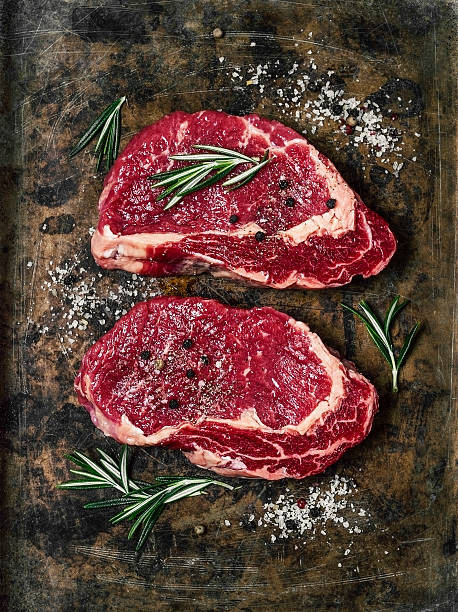
Customers often describe Dexter beef as rich, flavorful, and deeply beefy. That flavor comes from a combination of breed genetics, forage-based nutrition, animal maturity, handling, processing, and cooking.
Because Dexter cattle are not simply large-frame commodity cattle in a smaller package, the eating experience can feel different. The beef has its own identity.
For customers used to grocery store beef, Dexter beef may stand out because it tastes richer and is deeply connected to the farm and our regenerative practices. It is not anonymous meat from a national supply chain. It comes from a specific herd, raised on specific pasture, by a specific farm.
Tenderness Starts Long Before the Kitchen
Cooking matters, but tenderness does not begin in the skillet. Tender beef starts with genetics, animal health, proper growth, low-stress handling, good processing, and careful breeding decisions.
At Dos Lobos Ranch, we use genetic testing as part of our Dexter breeding program, including tenderness-related data. We are intentionally selecting cattle for traits that support excellent eating quality over time.
Our goal is not just to sell beef. Our goal is to build a herd that consistently produces beef our customers enjoy eating.
The Dos Lobos Functional Dexter Standard
Our goal is a moderate-framed, forage-efficient Dexter that thrives in a regenerative grazing system, remains structurally sound, raises a quality calf every year, produces tender beef, and has a calm, practical temperament.
- Moderate frame
- Forage efficiency
- Maternal excellence
- Structural longevity
- Tender beef genetics
- Calm temperament

Dexter Beef vs. Grocery Store Beef
Grocery store beef is built for consistency and scale. Dexter beef from a small farm is built around transparency, breed identity, pasture management, and local relationships.
That difference matters. When you buy Dexter beef from Dos Lobos Ranch, you are not just buying a package of meat. You are buying into a specific farming system, a specific herd, and a specific philosophy about raising cattle.
| Category | Dos Lobos Dexter Beef | Typical Grocery Store Beef |
|---|---|---|
| Breed Identity | Heritage Dexter cattle | Often unknown or blended sources |
| Finishing | Grass-fed and grass-finished | Often grain-finished |
| Farm Transparency | Regeneratively raised by a local family farm | Part of a large supply chain |
| Portion Size | Naturally moderate and family-friendly | Often larger commercial cuts |
| Customer Relationship | Direct from the farm | Purchased through retail channels |
Why Dexter Beef Fits Regenerative Farming
Dexter cattle fit our regenerative grazing system because they are moderate, efficient, and well suited to life on pasture. On a small farm, livestock have to match the land. We cannot force our land to fit oversized cattle that require more inputs than our system can responsibly support.
Our Dexter cattle help us manage grass, cycle nutrients, distribute manure, and support pasture recovery through rotational grazing. Their size and grazing efficiency make them a practical fit for our acreage and long-term soil-building goals.
The right cattle in the right system can do more than produce beef. They can help improve the land that supports them.

Why Customers Choose Dexter Beef
Customers choose Dexter beef for many reasons. Some are looking for local grass-fed beef. Some want to buy from a farm they can trust. Some are interested in heritage breeds. Others simply want beef with better flavor and a clear story behind it.
For many families, Dexter beef offers the balance they are looking for: premium eating quality, practical cuts, regenerative values, and direct access to the farm raising their food.
Dexter Beef Is a Good Fit For:
- Families looking for local grass-fed beef in North Texas.
- Customers who want beef raised by a small farm instead of a large supply chain.
- People who prefer heritage livestock breeds.
- Home cooks who want flavorful, practical beef cuts.
- Customers interested in regenerative agriculture.
- Carnivore, ancestral, keto, and whole-food eaters.
- Families who value transparency and direct farm relationships.

How We Raise Dexter Beef at Dos Lobos Ranch
Our Dexter cattle are raised on pasture in Wise County, Texas. We use rotational grazing, forage-based nutrition, mineral support, careful breeding decisions, and low-stress handling to raise cattle that fit our farm and produce beef our customers can feel good about buying.
We are building our herd with a long-term vision: cattle that thrive on grass, raise quality calves, remain structurally sound, and produce tender beef with excellent flavor.
That is what makes Dexter beef different at Dos Lobos Ranch. It is not just the breed. It is the way the breed fits into the whole farm system.

Shop Grass-Fed Dexter Beef
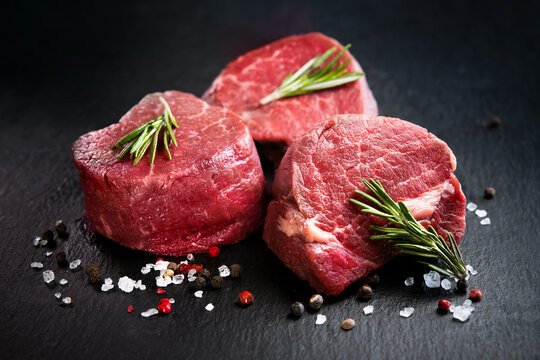
Because we raise a small Dexter herd, beef availability is seasonal and limited. When beef is available, customers can shop steaks, ground beef, roasts, snack items, bulk beef boxes, bones, organs, and nose-to-tail specialty cuts.
Shop Dexter Beef from Dos Lobos Ranch
Shop Dexter Beef & More


Learn More About Dexter Beef

Frequently Asked Questions About Dexter Beef
Why is Dexter beef different?
Dexter beef is different because it comes from a smaller heritage cattle breed known for efficient grazing, rich beef flavor, and naturally moderate-sized cuts. When raised on pasture and finished on grass, Dexter beef offers a very different experience from conventional grocery store beef.
Does Dexter beef taste better?
Taste is personal, but many customers describe Dexter beef as rich, flavorful, and deeply beefy. Heritage genetics, forage-based nutrition, careful handling, and good processing all contribute to the final eating experience.
Is Dexter beef tender?
Dexter beef can be very tender when genetics, nutrition, handling, processing, and cooking are all managed well. At Dos Lobos Ranch, we use genetic testing and careful breeding decisions to support tenderness and eating quality in our herd.
Is Dexter beef grass-fed?
Dexter beef can be raised different ways depending on the farm. At Dos Lobos Ranch, our Dexter beef is grass-fed and grass-finished.
Why are Dexter cattle smaller?
Dexter cattle are naturally moderate-framed heritage cattle. Their smaller size is part of the breed, not a defect. That size makes them efficient grazers and helps produce practical family-sized beef cuts.
Is Dexter beef better than conventional beef?
Dexter beef is not the same product as conventional commodity beef. It is a heritage beef option often raised by smaller farms focused on pasture, transparency, and quality. For customers who value local grass-fed beef and a direct farm relationship, Dexter beef can be a better fit.
Where can I buy Dexter beef in North Texas?
Dos Lobos Ranch raises grass-fed and grass-finished Dexter beef in Wise County, Texas, with local delivery available throughout parts of North Texas.
Why does Dos Lobos Ranch raise Dexter cattle?
We raise Dexter cattle because they fit our land, our regenerative grazing system, and our goals for premium beef quality. Their moderate frame, forage efficiency, maternal ability, tenderness potential, and calm temperament make them an excellent fit for our farm.