
Begin with the Cut
Tender steaks, working-muscle roasts, ground beef, ribs, and stew meat require different methods. Breed and finishing system do not turn every muscle into a grilling steak.

Thaw and Dry the Surface
Thaw under refrigeration for even cooking, then pat the surface dry before browning. Thickness and starting temperature affect cooking time more reliably than a single minutes-per-side rule.
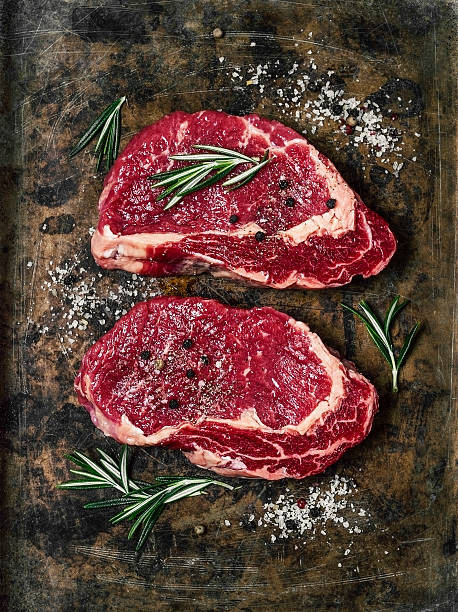
Use an Accurate Thermometer
Grass-finished beef may be less forgiving of overcooking when a cut is lean. Monitor internal temperature, account for carryover heat, and follow current food-safety guidance—especially for ground beef. (Or cook it the Dos Lobos way... rare!)
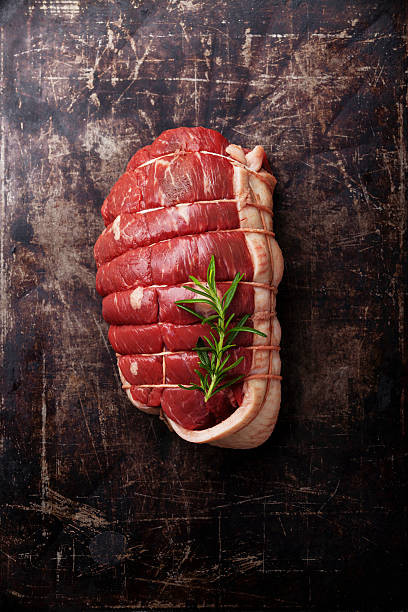
Match Heat to Connective Tissue
Use controlled dry heat for naturally tender steaks. Use braising, slow roasting, or other time-and-moisture methods for chuck, shank, brisket, and similar working muscles.
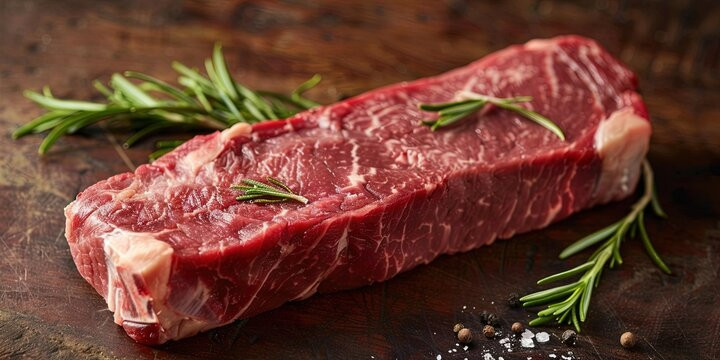
Rest, Slice and Learn
Rest cooked meat when appropriate and slice across the grain. Explore Dexter beef cuts, tenderness factors, or shop current beef.
Frequently Asked Questions
Does grass-finished beef cook faster?
Sometimes, particularly when cuts are leaner or thinner, but thickness, cut, equipment, and starting temperature matter more than a universal rule.
Should I cook every steak rare?
No. Choose a safe and preferred doneness appropriate to the cut and diner, using a thermometer rather than color alone.
Why is my roast tough?
A connective-tissue-rich roast may need more time at an appropriate temperature with moisture, or it may have been sliced incorrectly.
Can I cook frozen beef without thawing?
Some controlled methods allow it, but cooking time and food-safety requirements change. Follow a method designed for frozen meat.