What Makes Kunekune Pork Different
Kunekune pork is known for rich flavor, fine texture, useful marbling, and high-quality fat. Breed, age, genetics, diet, activity, finishing condition, processing, aging, cut selection, and cooking method all influence the final eating experience.
It should not be reduced to the claim that every Kunekune automatically produces perfect pork. Responsible breeders must select for functional growth and carcass usefulness as deliberately as they select for color or pedigree.
Tenderness, Marbling, and Fat Quality
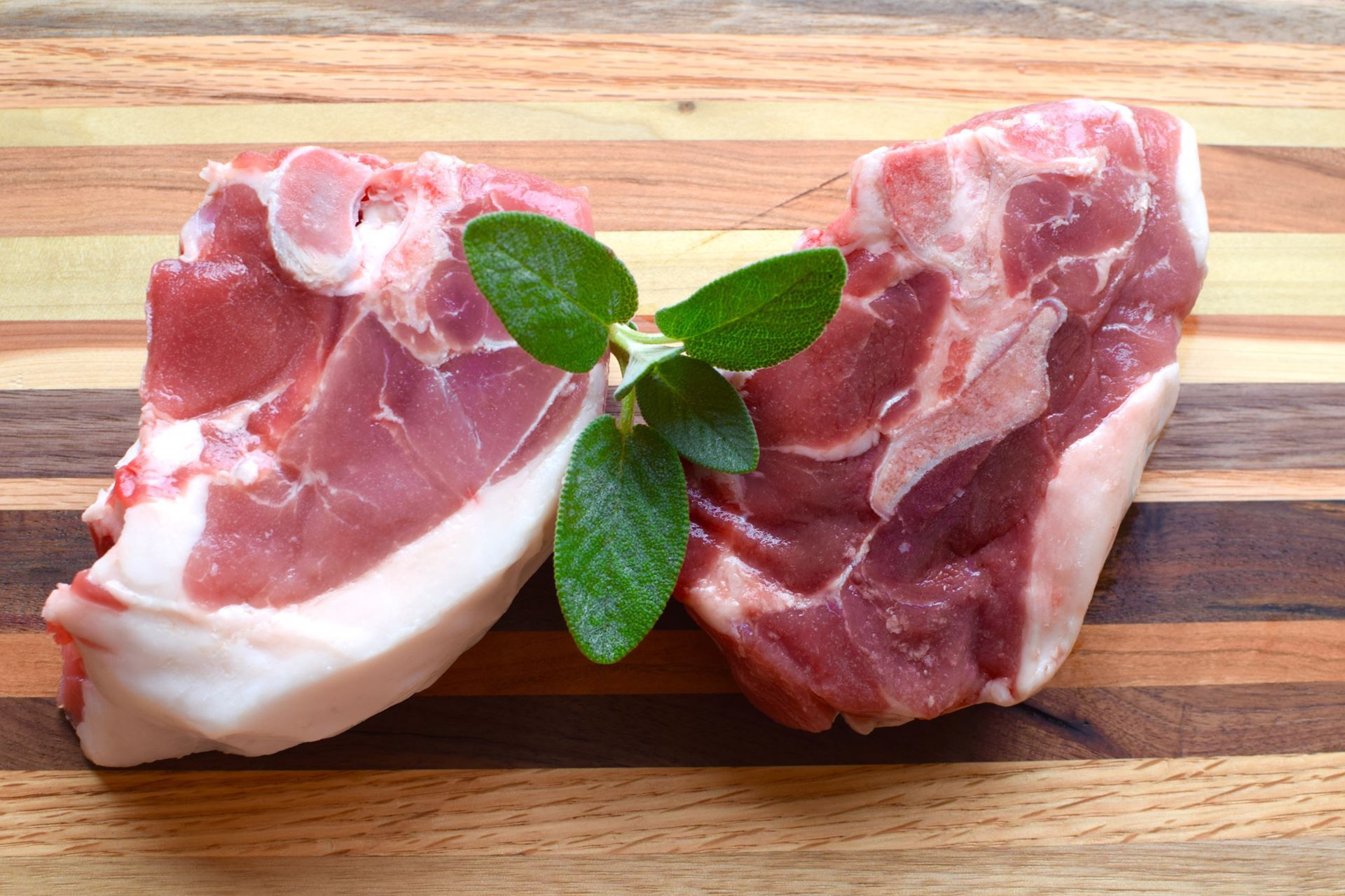
Intramuscular fat can improve juiciness and flavor, while external fat protects cuts during cooking and creates valuable lard. Excess finish, however, can reduce saleable yield if production goals and harvest timing are ignored.
Dos Lobos Ranch uses genetic information for carcass merit and tenderness traits alongside structural evaluation, growth, mature-family performance, and actual pork results.

Pasture, Feed, and Cooking
Our pigs receive pasture plus corn-free, soy-free, flax-free, non-GMO supplemental feed. That feeding program reflects our customer priorities, but careful cooking remains essential.
- Cook chops and tender cuts to avoid drying them out.
- Use shoulders, hams, and tougher muscles for slow cooking or curing.
- Render clean fat for baking and cooking.
- Match the method to the cut rather than treating all pork alike.
Explore The Complete Guide to Kunekune Pork, the best cuts, and our breeding-structure guide.

Frequently Asked Questions
What does Kunekune pork taste like?
It is commonly described as rich, tender, and flavorful, with excellent fat and marbling when pigs are appropriately bred, raised, finished, processed, and cooked.
Is Kunekune pork always fatty?
Kunekunes can finish readily, but fat level varies with genetics, diet, age, activity, sex, and harvest condition. Management determines whether finish is useful or excessive.
Why can Kunekune pork be tender?
Tenderness may reflect genetics, intramuscular fat, muscle characteristics, animal age, stress, processing, aging, cut selection, and cooking technique.
Is Kunekune fat useful for lard?
Yes. Properly handled fat can produce excellent lard for cooking and baking. Leaf fat and clean back fat are especially useful.