Small-Scale Meat Has Different Economics
Local meat prices reflect the cost of raising fewer animals, maintaining land and infrastructure, buying or producing feed, providing daily labor, using inspected processing, storing frozen inventory, and delivering smaller orders.
Feed, Time and Animal Care
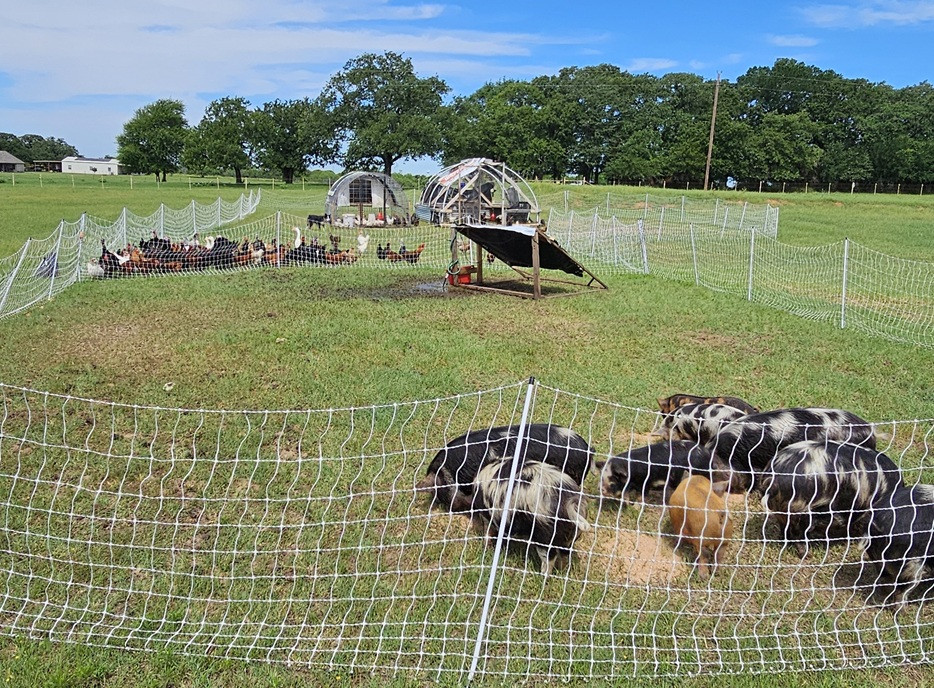
Pasture management does not eliminate feed, hay, minerals, fencing, water, shelter, health care, equipment, and labor. Heritage breeds and grass-finishing systems may also require more time before harvest. There also has to be overhead for our own healthy wage to cover our mortgage, healthcare, insurance, and basic needs. Plus, we would like to be able to retire someday, too. If we're not planning for it in our pricing, then we're hurting our own personal future.

Processing and Cold Chain
Slaughter, fabrication, packaging, labeling, transport, freezer space, electricity, inventory loss, and order fulfillment are major costs. Small farms generally lack the volume discounts and distribution efficiency of national supply chains.
Buying the Whole Animal Fairly
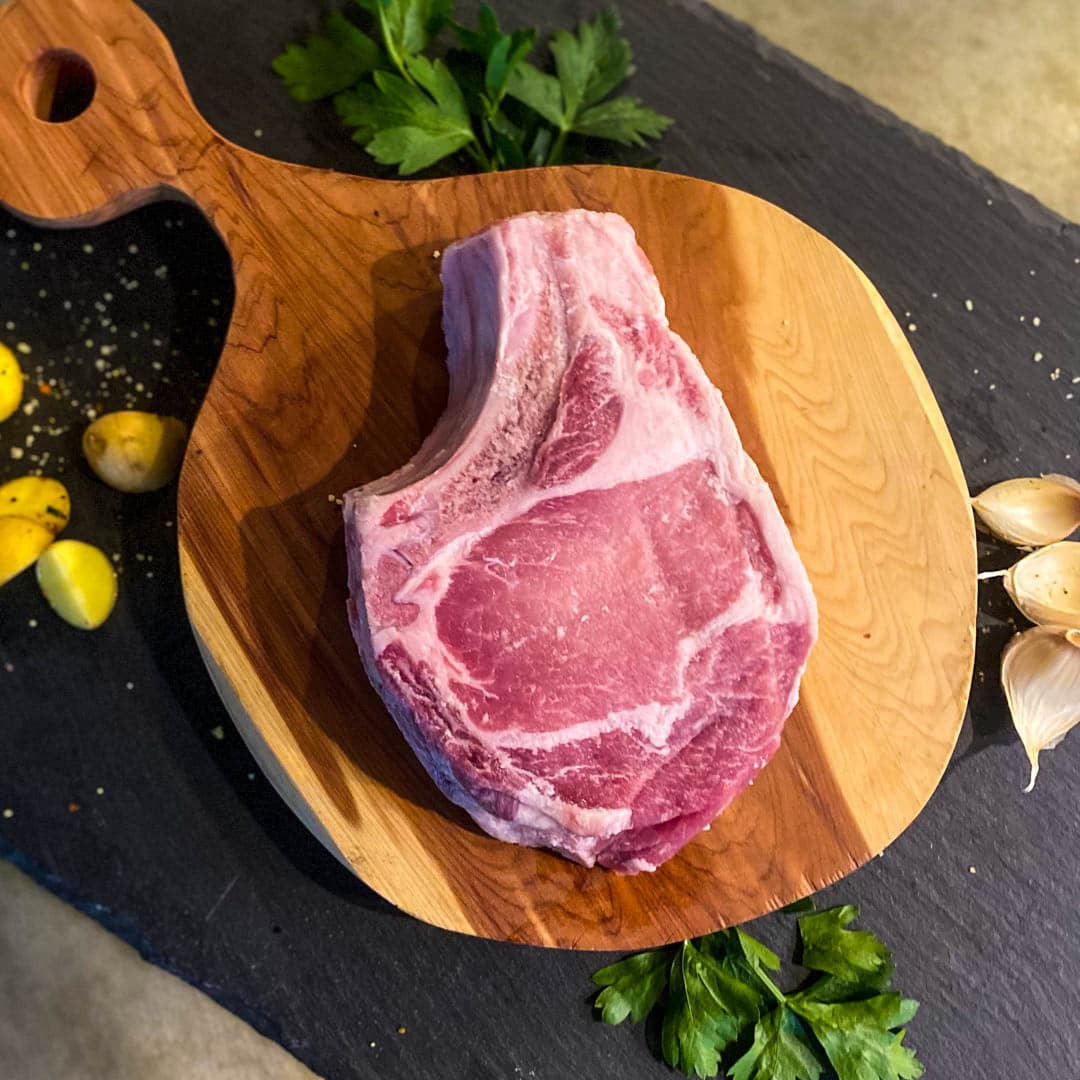
A carcass contains a limited number of premium steaks, chops, or bacon packages. Pricing must also support roasts, ground meat, bones, organs, trim, and unsold inventory rather than treating every animal as only its most popular cuts. We balance our prices by calculating our break-even cost and then increasing our margin to cover all overhead, roughly double our break-even cost.
How We Distribute Cost Across Meat Cuts
Cuts are calculated at an average for the whole animal, then the cost is distributed higher on the premium cuts (steaks, chops, roasts), and significantly below break-even for the less desirable parts (bones, organs, fat), and then the middle of the road cuts land somewhere around the average. In all, the cost spread tends to land somewhere in the middle when all cut prices are averaged together. For example, if our break-even cost is $7/lb, our price average needs to be $14/lb and then distributed up or down based on the desirability of the cut.
You Can't Just "Eat" Losses
Sometimes, animals don't perform the way they were expected. Some gain quickly and perform well, while others lag behind despite being healthy. Part of it is a roll of genetic dice, sometimes it's nutrition missing -- such as a mistake at the mill. We had that happen with our 2025 turkey crop. We found out that what we thought we were getting from our mill for the birds, wasn't so, and the birds lagged behind significantly and had much smaller dress weights than expected. Our normal break-even on turkeys is $5/lb of finished animal, and we need to leave room in the price to pay ourselves. That 2025 turkey crop had birds dress 5 lbs. less per carcass than the year before, dragging our break-even cost way up to $10/lb. Instead of raising our prices to make what we needed, we left our prices where they were from the year before and broke even on birds at $10/lb. It's a costly mistake and one that we won't make again.
Sometimes the Market Just Says No
We started our farm business venture in the pastured meat chicken and eggs market with the intention to scale up. We quickly found out that we were left holding the bag on chicken and eggs. Premium cuts like breasts, tenders, and thighs sell quickly while the rest of the meat sits in the freezer for months. We tried it all... sales, BOGO's, deep discounts and price cuts, but nothing would move drumsticks, chicken backs (with meat still left), and organ meat. This was selling both online, offering delivery, and at 3 farmers markets per month. It never moved for a year. We wound up GIVING away about 100 lbs. of drumsticks and 100 lbs. of backs. In turn, that drug our break-even cost on a batch of birds way up.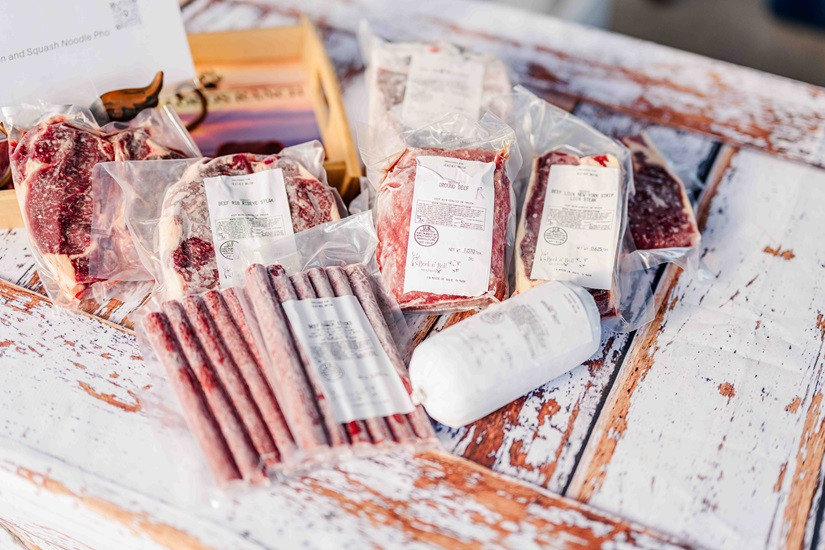
Compare What the Price Includes
Ask about breed, feed, finishing, processing, package weight, delivery, and farm practices. Use our meat bundles, hog shares, or current store to compare options.

Frequently Asked Questions
Why is farm meat more expensive than grocery-store specials?
Small-scale production, longer timelines, specialized feed, local processing, cold storage, and low-volume fulfillment produce different costs.
Does a higher price automatically mean better farming?
No. Buyers should verify the specific practices, product, package weight, and claims behind the price.
Can buying in bulk lower the per-pound cost?
It can distribute processing and fulfillment costs differently, but the actual value depends on cut mix, yield, freezer capacity, and terms.
Why are some cuts much more expensive?
Each animal supplies limited quantities of premium cuts, while demand, yield, trimming, processing, and total carcass value affect pricing.