
Freezing Preserves Meat, but Quality Changes
Properly frozen food can remain safe for long periods while continuously held at an appropriate freezer temperature, but flavor, color, texture, and moisture can decline over time. Recommended quality windows vary by cut and packaging.

Packaging Controls Air and Moisture
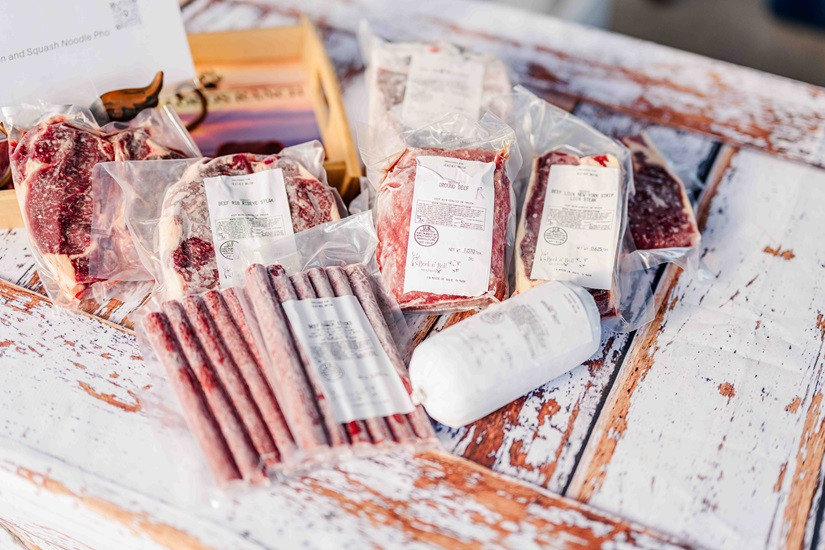
Vacuum packaging and tight freezer wrapping reduce air exposure and dehydration. Broken seals, punctures, loose wrap, and temperature cycling increase freezer burn and quality loss.
We use a butcher that uses high-quality, vacuum sealed packaging. All of our meat is processed at a USDA inspected butcher.
Keep the Freezer Consistently Cold
Use a freezer thermometer, avoid overloading warm product, limit door opening, and maintain space for cold-air circulation. Chest freezers often hold temperature longer during outages than frequently opened upright units.
Thaw Safely
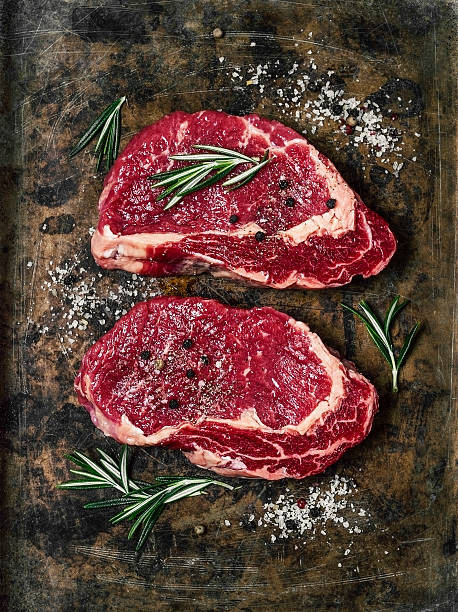
Thaw meat in the refrigerator, under cold running water when appropriate, or as part of a controlled cooking method. Do not use appearance or smell alone to judge temperature-abused food. And for the love of everything that is holy... do not thaw in the microwave and ruin that tenderness that we worked so hard to breed into our animals, please!

Label and Rotate Inventory
Mark product, cut, and date, then use older packages first. Review freezer planning, shipping and receiving, or report an order problem.
Frequently Asked Questions
Is freezer-burned meat unsafe?
Freezer burn is primarily a quality problem caused by air and moisture loss, though any separate signs of temperature abuse or spoilage require caution.
Can meat be refrozen after thawing?
Safety depends on how it was thawed, time, and temperature. Meat thawed under refrigeration may often be refrozen with quality loss; consult current food-safety guidance.
How can I tell whether an outage affected meat?
Use appliance temperature, duration, ice crystals, product temperature, and authoritative food-safety guidance rather than guessing from appearance alone.
Should I write the date on every package?
Clear dates and cut names make first-in, first-out rotation and quality management much easier.