What Corn-Free and Soy-Free Pork Means
Corn-free and soy-free pork describes the ingredients excluded from the pig’s ration; it does not mean the pig lived on grass alone or that every farm follows the same feed standard. Buyers should ask whether the policy applies through the entire finishing period, how seasonal substitutions are handled, and whether other ingredients—such as flax or genetically modified grains—are also excluded.
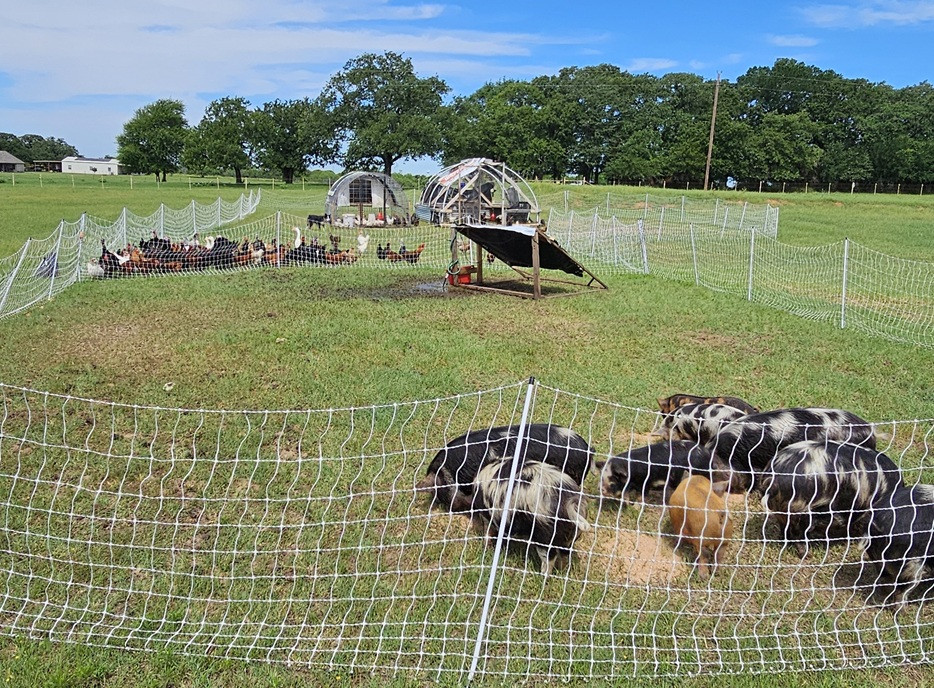
At Dos Lobos Ranch, our Kunekune pork program uses corn-free, soy-free, flax-free, non-GMO feed alongside pasture and forage. We state each part separately because one exclusion does not automatically prove the others.
Pigs Still Need a Balanced Ration
Removing common ingredients does not remove a pig’s need for energy, amino acids, vitamins, minerals, and fiber. Alternative rations must be formulated thoughtfully and adjusted for piglets, growers, breeding animals, lactating sows, and market hogs.
A poorly balanced “free-from” diet is not an improvement. Body condition, growth, reproduction, coat, manure, and behavior help show whether the program is working.

Why Dos Lobos Avoids Corn, Soy, and Flax
We use a corn-free, soy-free, flax-free, non-GMO ration for our pork. This is a deliberate customer-facing standard and part of how we differentiate our meat.
We do not claim that every ingredient is inherently harmful to every animal or person. Our goal is transparency and a consistent option for families specifically seeking meat raised without those feed ingredients.
How to Verify a Feed Claim
- Ask whether the standard applies from birth through processing.
- Ask about creep feed, supplements, treats, and seasonal substitutions.
- Confirm whether “non-GMO” applies to the complete ration or selected ingredients.
- Ask how the farm responds if its normal feed becomes unavailable.
Clear answers matter more than a marketing phrase.
Find Pork Raised to These Standards
Dos Lobos Ranch raises pasture-based Kunekune pigs in Decatur, Texas and serves local delivery customers across much of Dallas–Fort Worth.
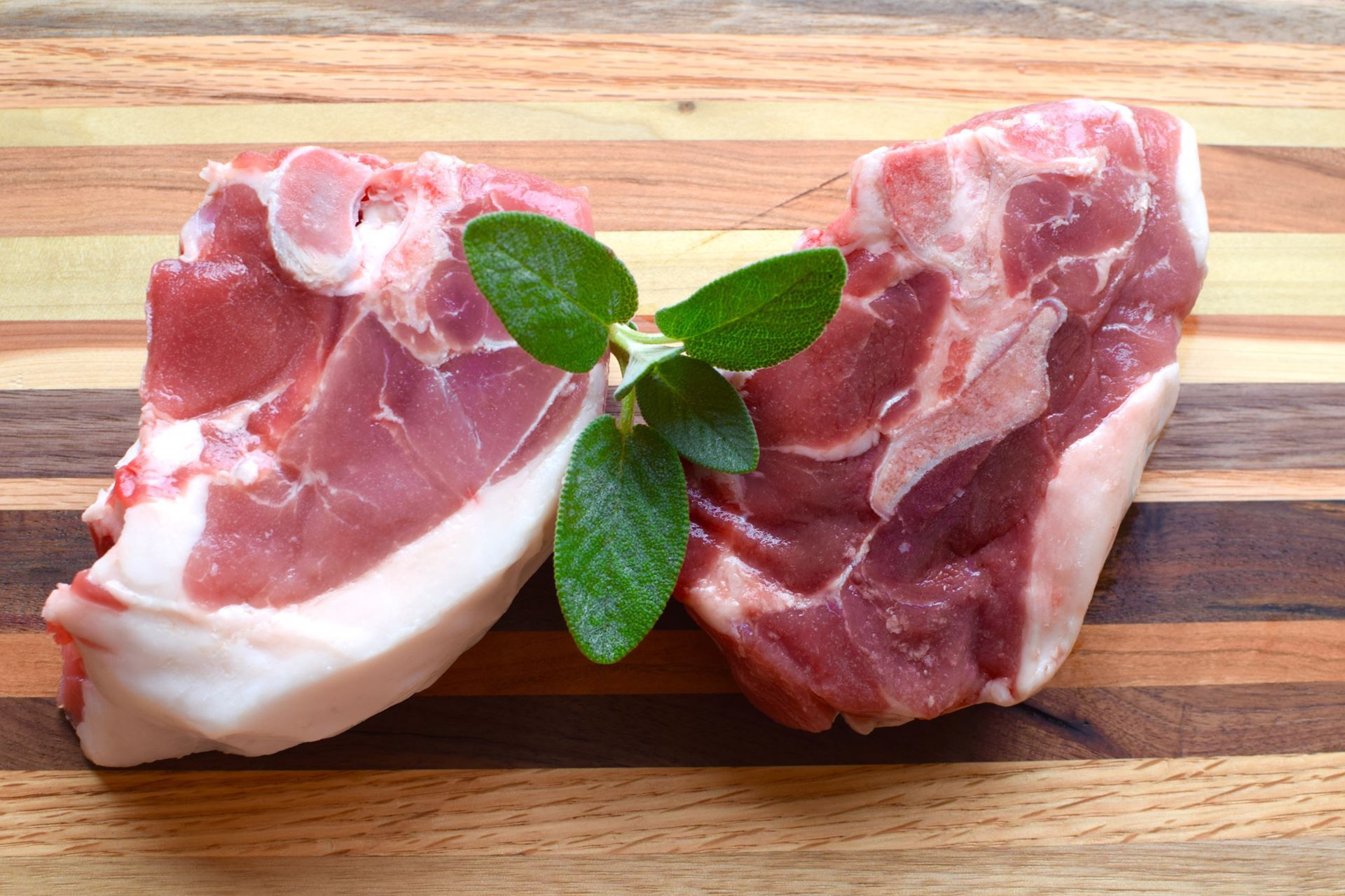
Shop corn-free and soy-free pasture-raised pork or explore our pasture-raised pork guide.

Frequently Asked Questions
Does corn-free pork mean the pig ate only grass?
No. Pigs need balanced supplemental nutrition. Corn-free describes ingredients excluded from that ration.
Is soy-free pork also non-GMO?
Not automatically. Soy-free and non-GMO are separate claims, so buyers should ask how the complete ration is sourced.
Why is flax-free included in the Dos Lobos standard?
Dos Lobos intentionally excludes flax along with corn and soy to maintain a consistent feed standard for customers seeking that option.
Can feed formulas change seasonally?
Yes. Ingredient availability and life-stage needs can change, but farms should explain substitutions and whether their stated exclusions remain intact.