What Does Pasture-Raised Pork Mean?
Pasture-raised pork comes from pigs that have meaningful access to living ground, forage, sunlight, fresh air, and room for natural behavior. The phrase is not a complete production standard by itself, so buyers should still ask about stocking density, rotation, shelter, feed, medications, and how much time the pigs actually spend outdoors.
Quick answer: Good pasture-raised pork is defined by the whole management system—not an outdoor photograph or a label.
Explore Pasture-Raised Pork
Compare production claims, learn how to buy and cook pork, or move directly to current offerings.
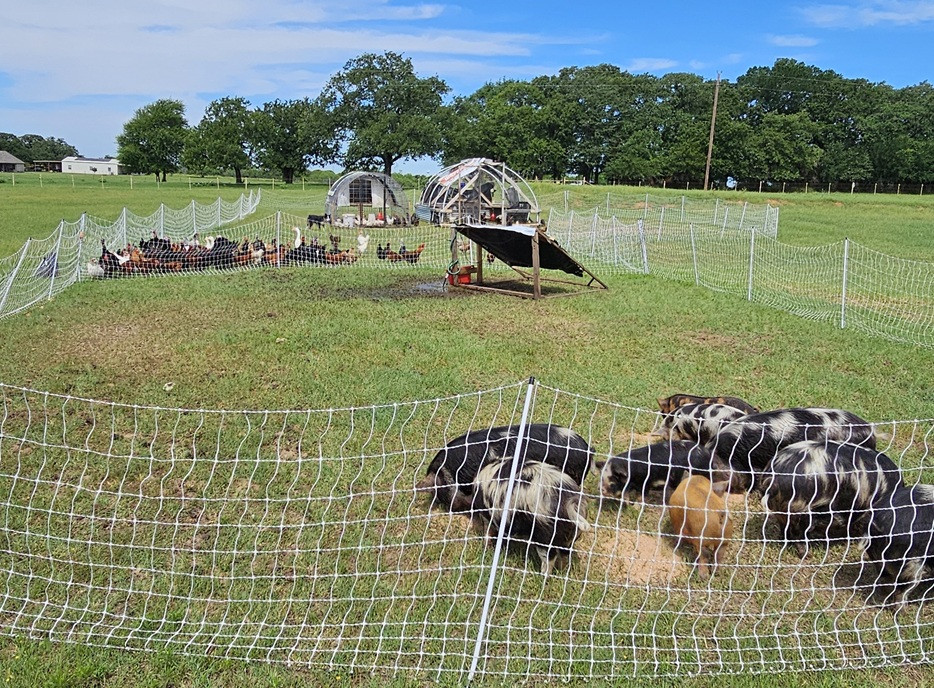
What Shapes the Quality of Pasture-Raised Pork?
Pasture access is important, but exceptional pork comes from the entire production system. The animal’s genetics, daily diet, living conditions, handling, and processing all influence flavor, tenderness, fat quality, and the confidence you can have in the finished product.
- Thoughtful pasture rotation: Regular moves give pigs access to fresh ground and forage while protecting soil and reducing parasite pressure.
- Transparent feed standards: Because pasture does not provide a complete ration, the ingredients used in supplemental feed matter. Our pigs receive corn-free, soy-free, flax-free, non-GMO feed.
- Breed and genetics: Kunekune pigs are well suited to pasture-based systems, and we use genetic testing and performance records to select for useful carcass and tenderness traits.
- Low-stress care: Room to move, shade, clean water, shelter, and calm handling support animal welfare and consistent meat quality.
- Responsible health management: Preventive husbandry, observation, and limited or no use of vaccines and antibiotics help us raise healthy animals without relying on routine chemical inputs. (Disclaimer: We will always put animal welfare and health first and sometimes that means intervention with vaccines or medications. If we have to use such things, there will be a notice put on the product pages for each cut until the entirety of that animal is sold.)
For buyers, the most meaningful question is not simply whether pigs went outdoors. It is how the farm manages every step from pasture and feed to harvest and delivery.

How Pasture Management Changes the Farm
- Rotation helps prevent bare ground, erosion, and parasite pressure.
- Shade, wallows, shelter, and clean water protect pigs through North Texas weather.
- Rest periods give forage and soil biology time to recover.
- Appropriate stocking and timely moves reduce nutrient concentration.
Pasture-raised does not mean unmanaged. It requires more observation and active decision-making.

Questions to Ask Before Buying
Ask where the pigs live, what they eat, whether the ration contains corn, soy, flax, or genetically modified ingredients, and how the farm handles antibiotics, vaccines, illness, processing, and transportation. A trustworthy farmer should explain exceptions and limitations without hiding behind vague claims.
Compare those answers with our feed standards and production practices.

Buying Pasture-Raised Pork from Dos Lobos Ranch
We offer Kunekune pork by the cut, seasonal bundles, and hog shares when available, with local delivery across much of Dallas–Fort Worth and shipping options for qualified products.
Shop available pasture-raised pork or continue with The Complete Guide to Kunekune Pork.
Ready to plan an order? Read how to buy pasture-raised pork directly from a farm and review pasture-raised pork delivery in North Texas.

Frequently Asked Questions
Is pasture-raised pork the same as organic pork?
No. Pasture access and organic certification address different requirements. A farm may be pasture-based without being certified organic.
Can pigs live on pasture alone?
Usually not while maintaining balanced growth and health. Pigs generally need supplemental nutrition formulated for their life stage.
Does pasture-raised pork taste different?
Breed, diet, age, activity, processing, fat quality, and cooking all affect flavor. Many customers value pasture-raised heritage pork for its marbling and fuller flavor.
Where can I buy pasture-raised pork in North Texas?
Dos Lobos Ranch in Decatur offers pasture-raised Kunekune pork by the cut and through hog shares when available, with local delivery and selected shipping options.