Our Breeding Objective
We aim for homestead-ready, balanced Nigerian Dwarfs that can remain sound, reproduce reliably, raise kids, and contribute useful dairy traits. No single show result, color, pedigree, or milk number replaces evaluating the whole goat. While Nigerian Dwarfs are primarily used for milk, we believe that responsible breeding includes managing numbers through meat production. We prefer to keep goats that tend to flesh easily and maintain condition on forage while providing good meat and milk for the homestead.

Structure and Dairy Function
Feet, legs, pasterns, topline, body capacity, rump, udder attachments, teat size and placement, and movement influence longevity and usefulness. Bucks are evaluated for their own structure and the performance of close relatives. We also like meatier bucks to help fill the freezer with the excess wethers each year.

Maternal Ability and Temperament
We consider conception, kidding, mothering, kid vigor, udder function, milkability, and disposition. Temperament must support safe routine care without confusing lack of handling with genetics. Dams that kick their kids off early after kidding have no place in our program.

Pedigrees, Testing and Records
Registration, pedigree, health records, and available testing add context. We document what each record applies to and avoid claiming that one result guarantees the goat’s future performance.
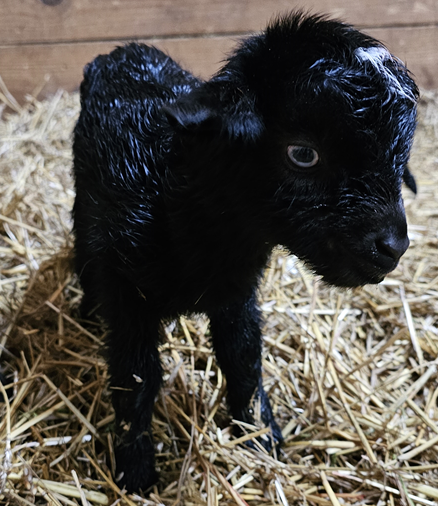
Animals from the Program
See goats for sale in Texas, read our records standard, or check the sale barn.

Frequently Asked Questions
Are all registered kids sold for breeding?
No. Registration eligibility does not automatically make a kid breeding quality.
What traits do you prioritize?
We prioritize sound structure, reproductive and dairy function, maternal ability, health, workable temperament, and overall balance.
Do you select for color?
Color may be recorded, but it should not override structure, health, function, and breeding goals. (But I'll admit, I'm a sucker for blue eyes and flashy goats the same as anyone else!)
Can buyers review pedigrees and records?
Available animal-specific records may be requested before purchase.