What ADGA Registration Means
American Dairy Goat Association registration creates a documented identity and pedigree for an eligible Nigerian Dwarf goat. It connects the animal to recorded parents and a traceable family history, giving breeders and buyers a consistent foundation for evaluating lineage.
Registration is valuable, but it is only one part of a responsible purchase. To meet the goats behind our program, visit our ADGA Nigerian Dwarf Goat Herd.

What Registration Documents
An ADGA record may help verify an animal's registered name, parentage, breeder and ownership history, and other identifying information maintained by the registry. Pedigrees allow buyers to research the animals behind a prospect and compare relatives across generations.
Ask the seller to identify the individual goat, explain whether it is already registered or eligible for registration, and state exactly what paperwork or transfer is included in the sale.

What Registration Does Not Guarantee
Registration does not automatically prove that a goat is healthy, fertile, structurally sound, easy to milk, productive, parasite resistant, or breeding quality. Two registered goats can differ greatly in conformation, udder quality, temperament, maternal ability, and usefulness on a working homestead.
That is why Dos Lobos Ranch evaluates each animal individually instead of treating papers as a substitute for performance.
Registration and Breeding Quality
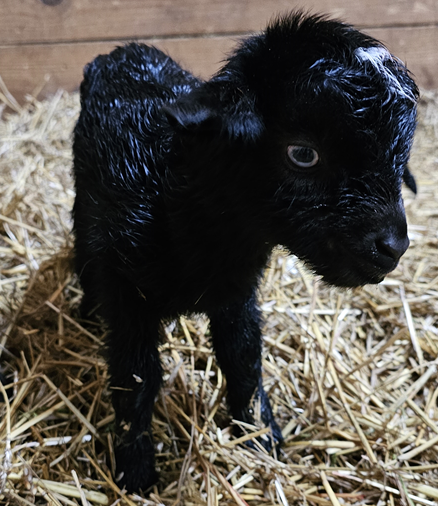
Our breeding decisions consider pedigree alongside structure, practical dairy potential, kidding and maternal performance, temperament, growth, and long-term soundness. Not every goat kid is offered as registered breeding stock; placement depends on the individual animal and the role it is best suited to fill.
Read our breeding goals and standards and our Nigerian Dwarf breeding program for the traits we prioritize.

Questions to Ask Before Buying
- Is the goat registered now, or only eligible for registration?
- Are the sire and dam correctly identified on the paperwork?
- What transfer documents and fees are included?
- Why is this individual being offered as breeding stock, dairy stock, or a companion?
- What health, structural, reproductive, and temperament information is available?
Meet our herd | View current availability | Review the purchase process

Frequently Asked Questions
Are the goats in your breeding herd ADGA registered?
Our registered Nigerian Dwarf breeding animals are maintained with ADGA records. The registration status of every goat offered for sale is stated clearly in its individual listing.
Do you sell every registered kid as breeding stock?
No. Registration eligibility does not automatically make a kid breeding quality. We evaluate structure, health, development, temperament, pedigree, and intended use before placement.
Which Nigerian Dwarf goats are currently available?
Availability changes with kidding schedules and individual evaluations. Visit our Sale Barn for current goats and breeding prospects.
How can I hear about upcoming kids?
Join the Livestock Insider list on this page for advance notice of kidding updates, available kids, mature breeding stock, and reservation opportunities.