
What Is Rotational Grazing?
Rotational grazing separates the grazing area into units and moves livestock between them. The purpose is not movement for its own sake, but better control of timing, forage use, recovery, distribution, and animal access.

Stocking Rate, Density and Duration
Stocking rate describes animals relative to land over time; stock density describes concentration at a moment; grazing duration describes how long animals remain. Confusing these terms can lead to poor comparisons and management errors.
Recovery Is the Critical Variable
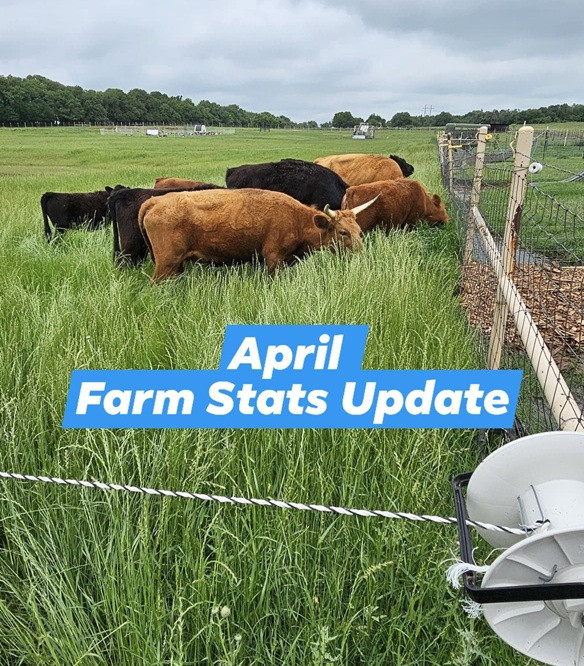
Plants recover at different speeds according to season, rainfall, temperature, species, soil, and grazing severity. A fixed return date may be too soon during slow growth and unnecessarily late during rapid growth. We've also found that there are times when you need to be flexible -- grazing more often and more aggressively and other times, backing off and allowing for longer recovery. This is all part of adaptive grazing methods.
Leave an Appropriate Residual
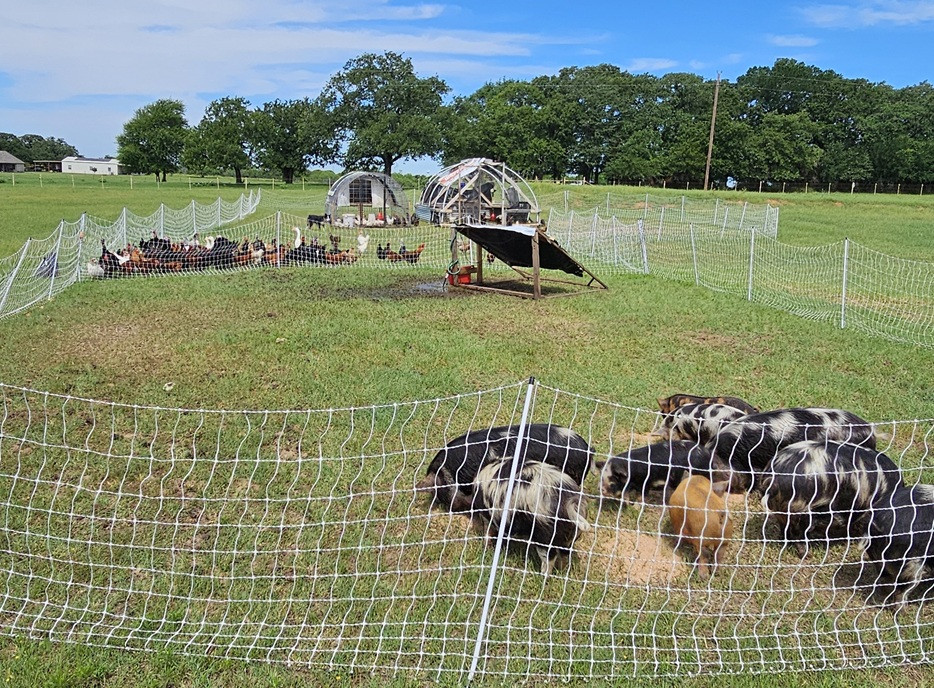
Residual leaf area supports photosynthesis, shades soil, slows water, and helps roots recover. The correct residual varies by forage and goal. Repeatedly grazing too short can reduce vigor and increase bare ground.

Adapt Moves to Conditions
Monitor forage, soil moisture, animal demand, weather, and recovery. Learn how this connects with multi-species grazing and soil health.

Frequently Asked Questions
How often should livestock move?
There is no universal interval. Forage quantity, animal demand, season, soil condition, paddock size, and management goals determine timing.
How many paddocks do I need?
Enough divisions to control grazing and provide suitable recovery, but the number depends on growth rate, herd demand, water, layout, and labor.
Does frequent movement prevent overgrazing?
Not necessarily. Returning before plants recover can overgraze them even when each occupation is short.
Can rotational grazing work on a small acreage?
Yes, when carrying capacity, infrastructure, forage supply, and animal numbers are realistic.